
The Crucial Role of a Window Drip Cap
When you think about a building's defenses against the elements, your mind probably jumps to the roof and foundation. But what about the most vulnerable openings? Windows and doors are prime entry points for water, and without a critical piece of flashing called a window drip cap, you're leaving your property exposed to a world of potential damage. Let's delve into what a drip cap is, why it's so vital for both residential and commercial buildings, and the best materials for the job.
What is a Window Drip Cap? 🤔
A window drip cap, also known as head flashing or a window drip edge, is a piece of L-shaped metal or plastic flashing that is installed over the top of a window or door frame. Its simple, yet brilliant, design creates a barrier that deflects water away from the opening. The top leg of the "L" is tucked behind the siding or sheathing, while the bottom leg extends over the window trim, with a small lip that forces water to "drip" off and fall to the ground.
Without a drip cap, rainwater that hits the wall above a window will run directly down the siding and onto the window frame. This can lead to:
- Wood rot: Constant water exposure will cause the window frame and the structural lumber around the opening to rot, compromising the integrity of the building.
- Water infiltration: Water can seep into the wall cavity, leading to mold, mildew, and damage to drywall and insulation.
- Paint and trim damage: Water can cause paint to peel and crack, and can stain the exterior trim, requiring costly repairs.
- Foundation issues: Over time, consistent dripping below a window can erode the soil and lead to cracks in the foundation.
A properly installed window drip cap is the unsung hero that prevents these problems from ever starting.

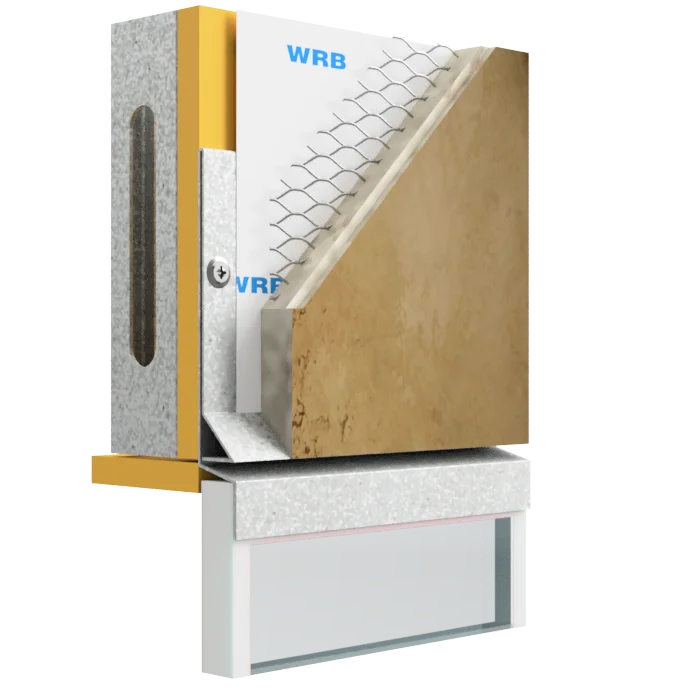
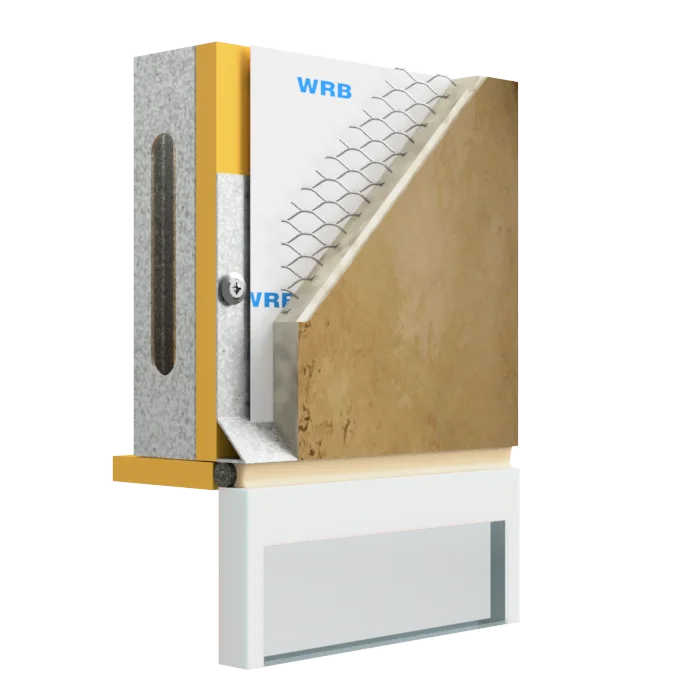
Choosing the Right Material for Your Drip Cap
The material you choose for your window drip cap is crucial for its longevity and performance. Here's a look at the best options for both residential and commercial applications.
Aluminum
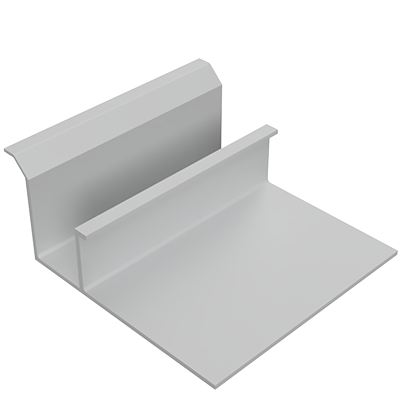
- Pros: Aluminum is the most common choice for residential and light commercial projects due to its affordability, lightweight nature, and corrosion resistance. It's easy to bend and cut on-site, making for a straightforward installation. Aluminum drip caps are available in a huge range of colors to match or complement your building's exterior.
- Cons: While durable, it can be dented more easily than other metals.
Galvanized Steel (26 ga G90)
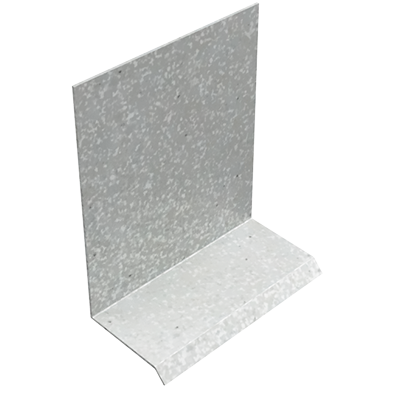
- Pros: Galvanized steel is a great option for owners of both residential and commercial buildings who need a more durable material. The "26 ga" refers to the gauge (thickness), with a lower number indicating a thicker, more rigid material. The "G90" designation signifies the amount of zinc coating, providing excellent corrosion protection. It is stronger and more resistant to impact than aluminum, making it a wise choice for high-traffic or high-impact areas on a commercial facade.
- Cons: It's heavier and more difficult to work with than aluminum, and can rust if the zinc coating is scratched off.
Stainless Steel
- Pros: For the ultimate in corrosion resistance and durability, stainless steel is the ideal choice. It's incredibly strong and will never rust or corrode, making it perfect for commercial buildings in harsh environments, such as coastal regions or areas with high humidity.
- Cons: Stainless steel is the most expensive option and requires specialized tools for cutting and forming, which can increase installation costs.
Copper 🤩
- Pros: Copper is a premium choice known for its stunning aesthetic and longevity. It won't rust or corrode and will develop a beautiful patina over time, adding unique character and value to a building. It's often used on high-end residential and commercial buildings where the classic look is desired.
- Cons: Copper is the most costly of all the materials and is a target for theft due to its high scrap value.
Why the Drip Cap is Crucial for Commercial Properties
On commercial buildings, the stakes are even higher. Large windows and curtain walls are a significant investment, and water damage can lead to expensive repairs and even business disruption. Building codes and warranties often require proper flashing and water management. A well-designed and properly installed window drip cap is a fundamental component of the building envelope, ensuring the long-term health and value of the entire structure.
Frequently Asked Questions (FAQ)
Q: Is a window drip cap the same as a roof drip edge?
A: No, they are different products designed for different purposes. A roof drip edge is installed at the edge of a roof to guide water into the gutters. A window drip cap is installed specifically over a window or door to protect the opening and the wall below.
Q: Do all windows need a drip cap?
A: Most exterior windows and doors that are not protected by an overhang or a porch roof should have a drip cap. While some modern windows have built-in flashing systems, an external drip cap provides an extra layer of protection, which is always a good idea.
Q: Can I install a window drip cap myself?
A: For a small residential project, a handy homeowner can tackle this. However, it's a precision job. Improper installation can lead to gaps that allow water to penetrate, defeating the purpose of the cap. For best results and peace of mind, especially on a large or multi-story building, it is always best to hire a professional contractor.
Q: How long do window drip caps last?
A: The lifespan depends on the material. Aluminum and galvanized steel can last for decades. Stainless steel and copper are exceptionally durable and can last for a lifetime, making them a wise long-term investment for any type of building.