
The Importance of Soffit Drip Edges
If you’re a building owner, you’ve likely spent time thinking about your roof, gutters, or siding. But have you ever considered the soffit drip edge? These unsung heroes of a building’s exterior play a critical role in protecting your investment from water damage, whether it’s a cozy home or a sprawling commercial property. Let’s explore what they are, why they’re so important for both residential and commercial applications, and the different materials they come in.
What is a Soffit Drip Edge and Why is it Essential? 🤔
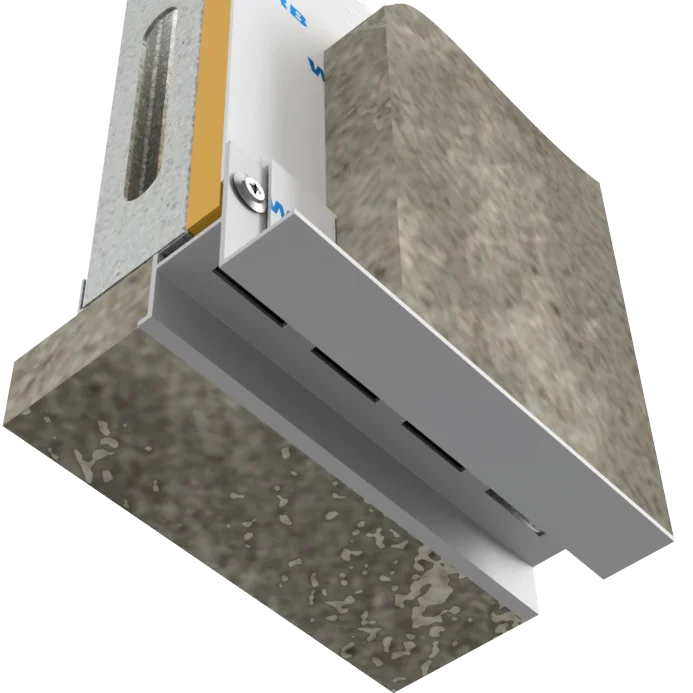
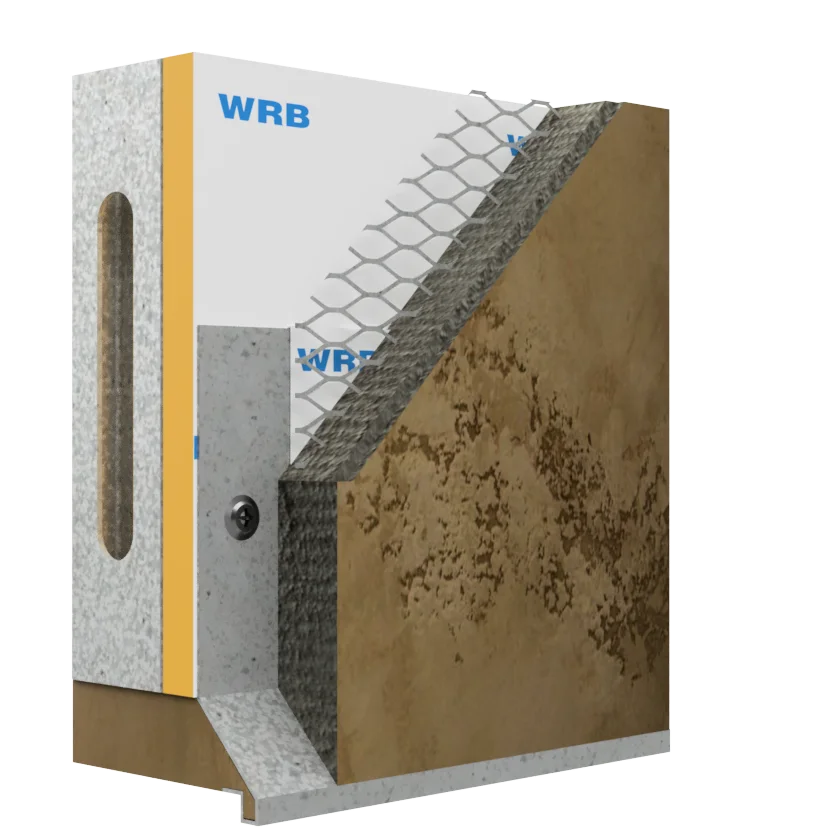
A soffit drip edge is a specialized type of flashing installed along the rake and eave edges of a roof. It’s designed to create a clean, sharp line that directs water away from your fascia and soffit. Without a drip edge, rainwater can run back along the underside of the roofing material, soaking the fascia board, and seeping into the soffit. This can lead to:
- Rotting fascia and soffit boards: Constant moisture exposure will cause the wood to decay, compromising the structural integrity of your roofline.
- Pest infestations: Rotted wood becomes an open invitation for pests like termites, carpenter ants, and bees to make a home in your attic or walls.
- Foundation issues: Water dripping directly down the side of the building can lead to soil erosion and even foundation damage over time.
- Mold and mildew growth: A damp environment is the perfect breeding ground for mold, which can pose health risks and be expensive to remediate.
A well-installed soffit drip edge is your first line of defense, ensuring water goes exactly where it’s supposed to—into your gutters and away from the building.
Choosing the Right Material for Your Soffit Drip Edge
The material you choose for your soffit drip edge will impact its durability, cost, and appearance. While the fundamental function remains the same, the choice of material and design can vary between residential and commercial applications.
Aluminum
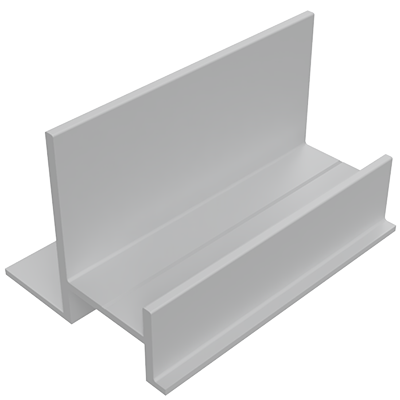
- Pros: Aluminum is the most popular choice for residential buildings due to its affordability, lightweight nature, and corrosion resistance. It’s easy to cut and bend, making for a quick installation. It also comes in a wide variety of colors to match a home’s trim.
- Cons: It can be dented more easily than other materials.
Galvanized Steel (26 ga G90)
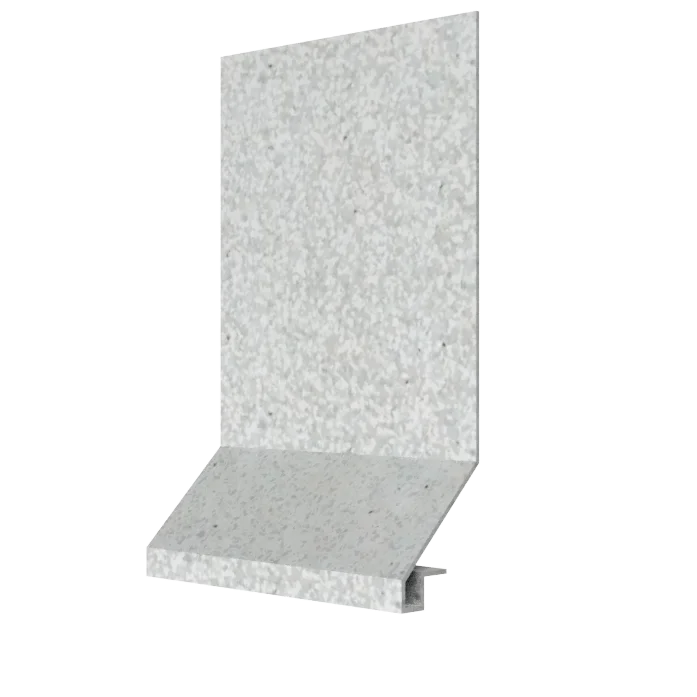
- Pros: Galvanized steel is a great option for owners of both residential and commercial buildings looking for something more durable than aluminum. The “26 ga” refers to the gauge (thickness), with a lower number indicating a thicker, more rigid material. The “G90” designation signifies the amount of zinc coating, providing excellent corrosion protection. It’s a very strong material that can withstand harsh weather and is less prone to denting, making it a common choice for commercial properties where durability is key.
- Cons: It’s heavier and more difficult to work with than aluminum. It can also be more expensive and may rust if the zinc coating is scratched off.
Stainless Steel
- Pros: If you’re looking for the ultimate in corrosion resistance and durability, stainless steel is the way to go. It’s incredibly strong and will never rust or corrode, making it an excellent choice for commercial buildings in coastal areas or regions with a lot of rainfall. Its longevity is a major benefit for large, long-term investments.
- Cons: Stainless steel is the most expensive option and requires specialized tools to cut and form, which can increase labor costs.
Copper 🤩
- Pros: Copper is a premium choice known for its stunning aesthetic and longevity. It won’t rust or corrode and will develop a beautiful patina over time, adding unique character and value to a building. It’s often used on historic or high-end residential and commercial buildings for its classic, sophisticated look.
- Cons: Copper is the most costly of all the materials and is a target for theft due to its high scrap value.
Why the Drip Edge is Crucial for Commercial Properties
Commercial buildings often have flat or low-sloped roofs, which makes them particularly susceptible to water pooling and drainage issues. While residential pitched roofs rely on gravity to shed water quickly, commercial roofs have a much larger surface area where water can sit and find its way into the building. A well-designed and properly installed drip edge is not just a nice-to-have; it’s a critical component for ensuring the long-term health of the entire roofing system. In many cases, it’s also a requirement of the International Building Code (IBC) to ensure proper water management and building integrity.
Frequently Asked Questions (FAQ)
Q: Do I need a soffit drip edge if I have gutters?
A: Yes, absolutely. Gutters are designed to collect and channel water that falls from the roof, but a drip edge ensures that water running along the roof’s edge doesn’t get a chance to wick back underneath the shingles and into the fascia and soffit. They work together to provide complete protection. This is especially true for large commercial roofs where a massive volume of water is channeled to the roof’s edge.
Q: Can I install a soffit drip edge myself?
A: While it is possible for a handy homeowner to install a drip edge, it’s a job that requires precision and the right tools. Improper installation can lead to gaps that allow water to penetrate. For best results and peace of mind, especially on a large-scale commercial property, it’s always best to hire a professional roofer or contractor.
Q: How long do soffit drip edges last?
A: The lifespan of a soffit drip edge depends heavily on the material. Aluminum can last for decades, galvanized steel is also long-lasting, while stainless steel and copper can last for a lifetime and beyond, making them a wise long-term investment for any type of building.
Q: Is a soffit drip edge the same as a gutter apron?
A: While they serve a similar purpose of directing water, they are two different components. A drip edge goes under the shingles, while a gutter apron is a separate piece of flashing that often extends from the roof deck and into the gutter to prevent splash-back. Many professional roofers will install both to ensure maximum protection.