
The Ultimate Guide to Diamond Furr Field Furring Strips: Solving Stucco’s Biggest Problems
Stucco remains one of the most popular exterior finishes for its durability and timeless look. However, homeowners and contractors alike have long struggled with two persistent issues: water intrusion and surface cracking.
Traditional installation methods often compromise the home’s “raincoat” by punching thousands of holes into the water-resistive barrier (WRB). Diamond Furr ®Field Furring Strips were engineered to change this narrative. By creating a dedicated drainage plane and ensuring proper lath embedment, this system provides a high-performance solution for a leak-free, crack-resistant exterior.
1. Protecting the Water-Resistive Barrier (WRB)
The most critical component of any building envelope is the WRB. In a standard stucco application, wire lath is stapled or nailed directly through the house wrap and into the studs. This creates a “Swiss cheese” effect, where every staple becomes a potential path for moisture to reach the wooden sheathing.
Reducing Fastener Penetrations

Diamond Furr strips revolutionize this process by drastically reducing the number of times the barrier is pierced.
- The 85% Rule: Research shows that using Diamond Furr® Field Furring strips can reduce total fastener penetrations by up to 85%.
- Integrated Drainage Plane: The strips create a built-in 3/8-inch air space between the stucco and the WRB. This “rainscreen” allows any moisture that bypasses the stucco to drain safely down the wall and out the bottom, rather than sitting against a staple hole.
2. Eliminating Stucco Cracks through Proper Lath Embedment
Cracks aren’t just an aesthetic issue; they are structural warnings. Most stucco cracks occur because the wire lath is not positioned correctly within the cement.
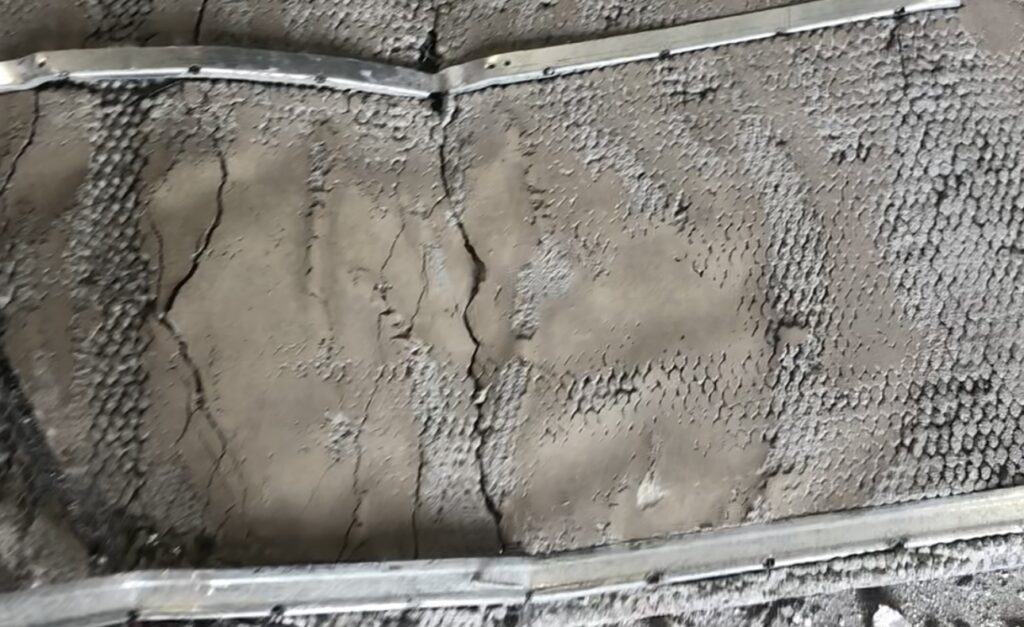
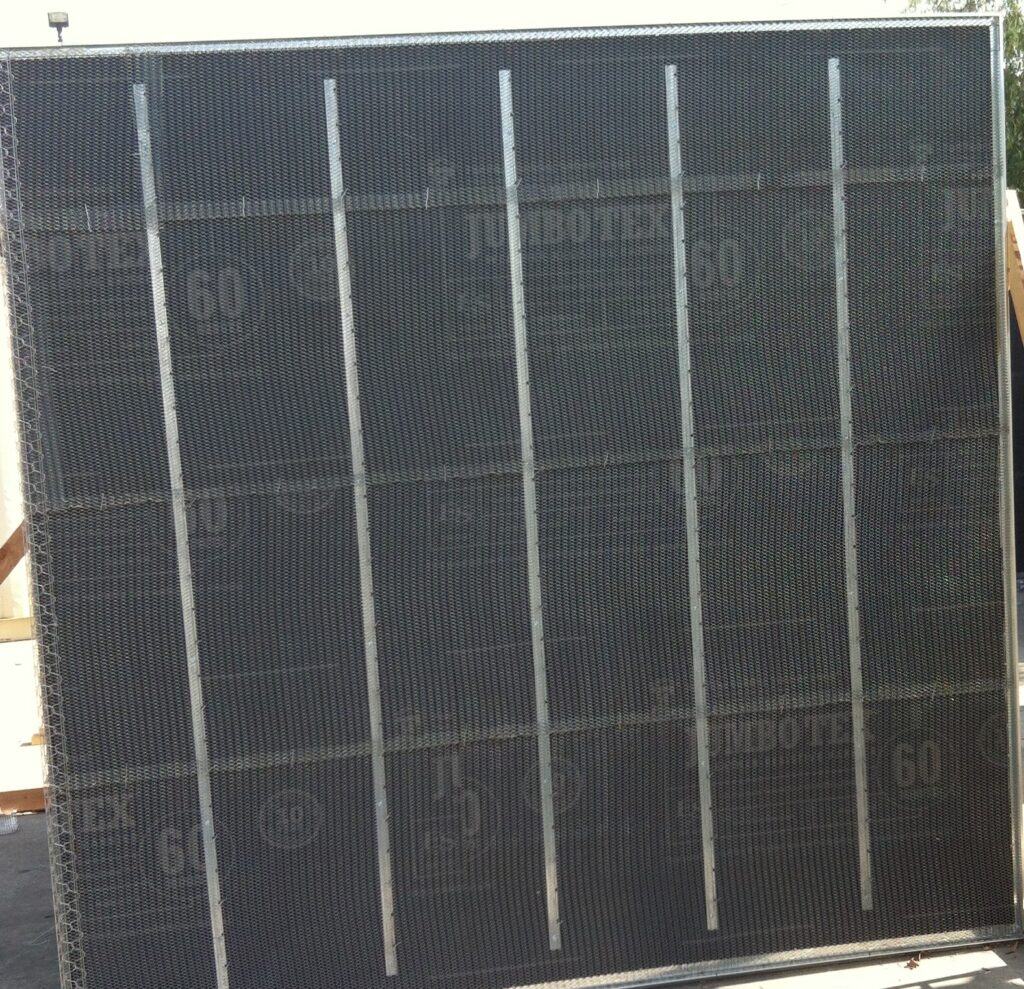
The image below demonstrates how Diamond Furr Field® furring strips enable proper lath embedment in the stucco.
This wall was a test wall.
Finding the “Sweet Spot”
For stucco to be strong, the wire lath must be fully encapsulated in the middle of the mud—not pressed flat against the wall.
- The Problem with “Flat” Lath: When lath is nailed directly to the wall, it sits at the very back of the stucco layer. This offers zero reinforcement, leading to “shrinkage cracks” as the stucco cures.
- The Diamond Furr Solution: These furring strips provide a rigid, consistent stand-off. This ensures the lath is held exactly 3/8-inch away from the wall. When the “scratch coat” is applied, the cement flows behind and around the wire, creating a reinforced slab similar to rebar in concrete.
3. Long-Term Maintenance & Life-Cycle Costs
While some builders look for the cheapest upfront material, savvy property owners look at the Life-Cycle Cost. Investing in a high-quality furring system pays dividends by preventing expensive remediation.
20-Year Cost Outlook: Traditional vs. Diamond Furr
| Feature | Traditional Staple-On System | Diamond Furr System |
| Water Barrier Integrity | ~2,000+ punctures per wall | ~300 punctures per wall |
| Leak Remediation Risk | Moderate to High | Low |
| Crack Maintenance | Frequent (Hairline cracks common) | Minimal (Better lath embedment) |
| Typical 10-Year Repair | $1,500 – $4,500 (Patch/Caulk) | $0 – $500 (Inspection only) |
| Estimated 20-Year Total | $25,000 – $45,000+ | $21,000 – $30,000 |
4. Frequently Asked Questions (FAQ)
Does this system work with standard 3-coat stucco?
Yes. It is designed specifically for 7/8-inch, three-coat stucco (scratch, brown, and finish). It ensures the lath is in the optimal position for maximum strength.
Is it compatible with Continuous Insulation (CI)?
Absolutely. Diamond Furr is a top choice for Title 24 (Energy Code) compliance.2 The strips can “bridge” over rigid foam insulation, allowing you to secure the lath without compressing the insulation or compromising the water barrier.
Will this installation take more labor?
While there is a learning curve, most contractors find the process faster once the strips are up. Because you are tying the lath to the strips rather than nailing it into every stud, the “lathing” phase is often more streamlined and accurate.
Can it be used on steel studs?
Yes. Diamond Furr strips are manufactured from high-quality galvanized steel and are compatible with both wood and light-gauge steel framing.
Conclusion: The Modern Standard for Stucco
By minimizing punctures in the water barrier and ensuring the metal lath is perfectly centered in the plaster, Diamond Furr Field Furring Strips solve the two most expensive problems in the industry. Whether you are a homeowner looking for peace of mind or a contractor aiming for a “no-callback” reputation, this system is a superior upgrade to traditional methods.